

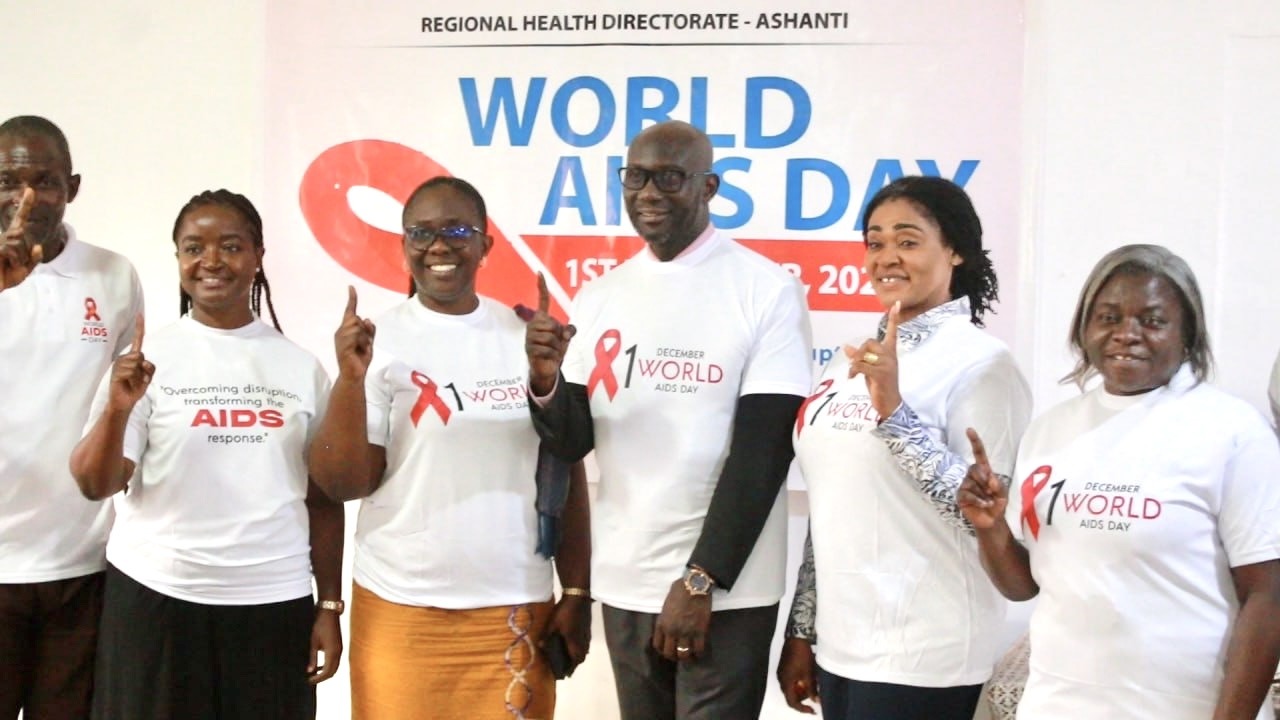
The Ashanti Regional Health Directorate of the Ghana Health Services, together with partners and community groups, on Monday, December 1, 2025, commemorated World AIDS Day under the global theme, “Overcoming disruption, transforming the AIDS response.”
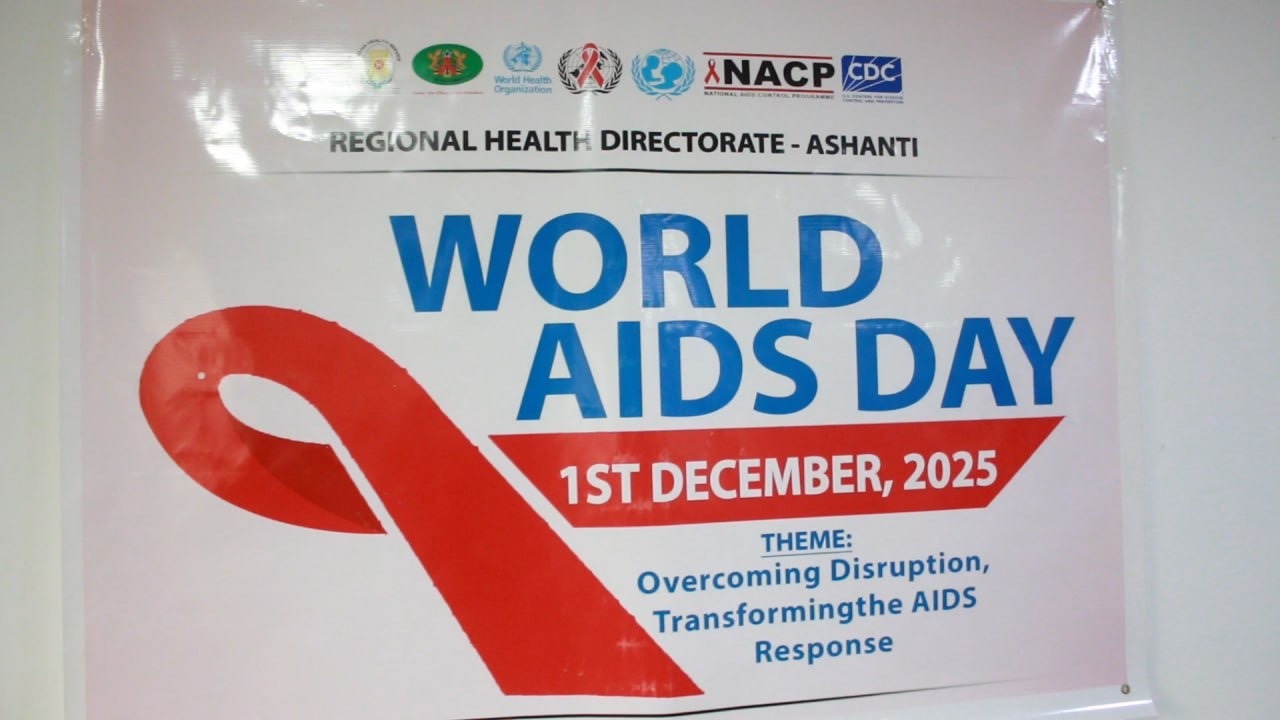
The day focused on strengthening preventive measures and educating the public on how to avoid HIV infection.
Global statistics released by the World Health Organization (WHO) paint a concerning picture. In 2024, an estimated 40.8 million people were living with HIV, while approximately 630,000 people died from HIV-related causes.

Within the same year, about 1.3 million people acquired HIV. These figures, according to health experts, emphasise the urgent need for consistent prevention, early testing and access to treatment.
This year’s commemoration by the Ashanti Regional Health Directorate placed strong emphasis on public education aimed at reducing new infections.

The Directorate highlighted preventive behaviours, access to testing, and the importance of treatment adherence among persons living with HIV.
Speaking at the event, the Ashanti Regional Health Director, Dr. Fred Adomako Boateng, reiterated that HIV remains preventable and manageable when people take the right steps.

“People should bear in mind that HIV is preventable, treatable, and testing for it is free,” he stated. He further stressed that collective action is crucial, saying, “Everyone has a role to play in stopping HIV, and knowing your status is important to protect yourself and your loved ones.”
Providing regional data, the Directorate revealed that as at November 2025, 33,199 people in the Ashanti Region were actively on HIV medication, a notable increase from 25,891 in 2024.

However, this figure still represents only 54% of the 63,159 people expected to be on treatment, leaving a significant number not accessing lifesaving medication.
Dr. Adomako Boateng also highlighted advancements in HIV prevention, particularly the availability of Pre-Exposure Prophylaxis (PrEP).
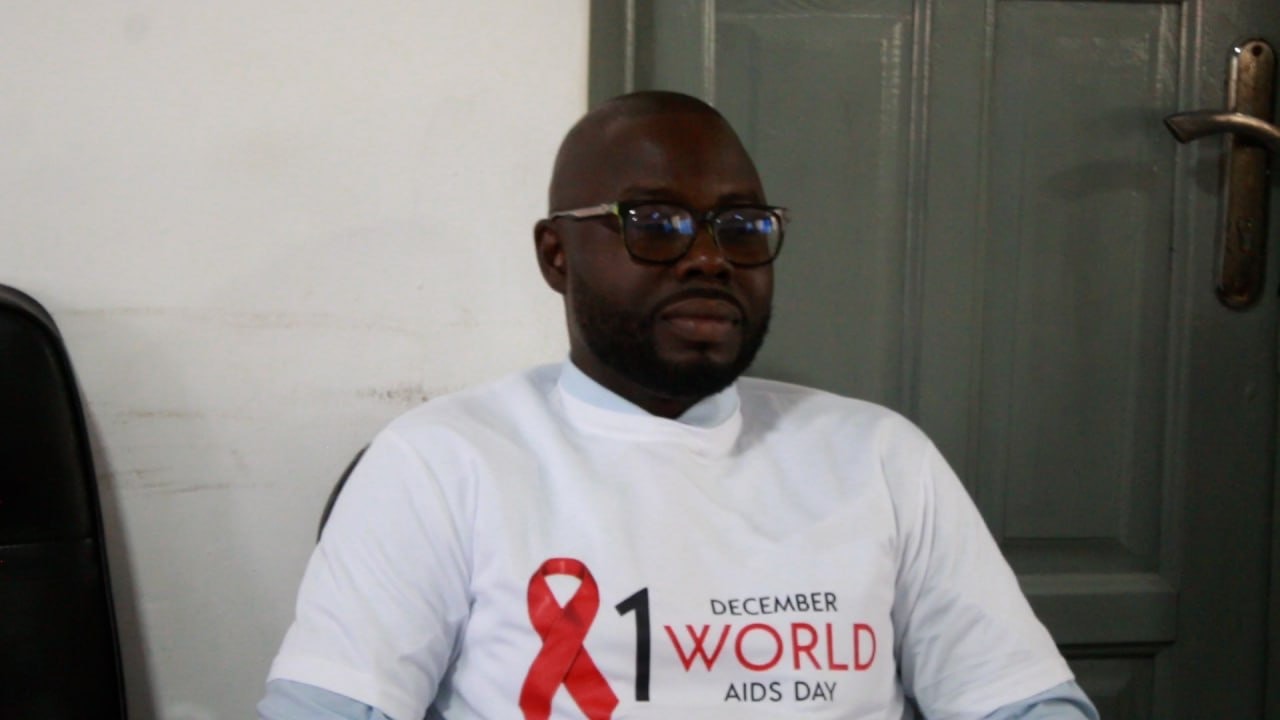
He encouraged eligible individuals to take advantage of it. “HIV prevention has now evolved with pre-exposure prophylaxis, which is now available in many facilities across the Ashanti Region, and if taken, reduces the chances of getting HIV by more than 90% when exposed to the virus,” he explained.

Percy Korankye, who has lived with HIV since 1988, encouraged his fellow patients not to allow fear or stigma to prevent them from accessing healthcare or adhering to treatment as he issued a powerful reminder to persons living with HIV to remain courageous, get tested, and stay committed to their medication.
Percy further urged his fellow living with HIV to prioritise their treatment and desist from seeking unapproved remedies and spiritual concoctions. He cautioned that relying solely on prayer centres instead of proper treatment places lives at risk.
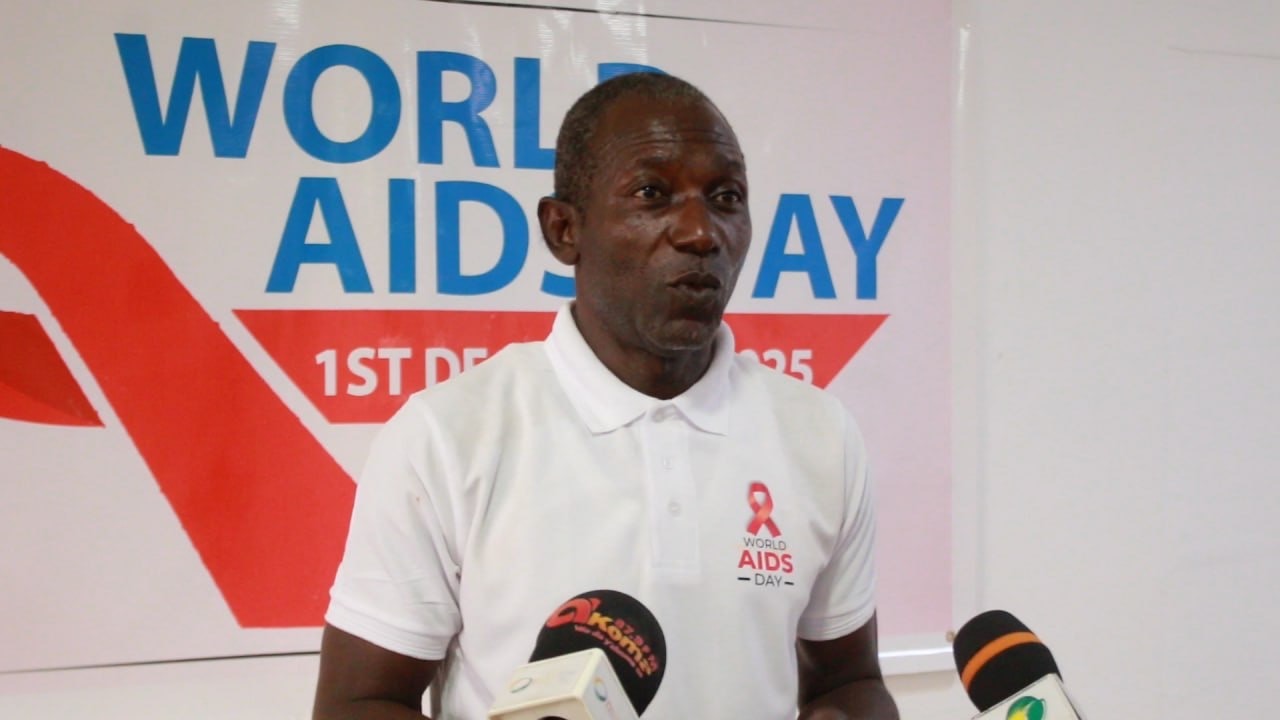
“People living with HIV shouldn’t stop taking their medication and should stop visiting prayer centres for concoctions because the only thing that can help them live is taking their medications,” he advised.
The Directorate used the occasion to urge the public to prioritise regular testing, adopt safe practices and support those living with HIV, emphasising that ending AIDS as a public health threat requires shared responsibility and sustained commitment.